Industries
One operating system, every kind of floor.
Nine sectors, one operating system.
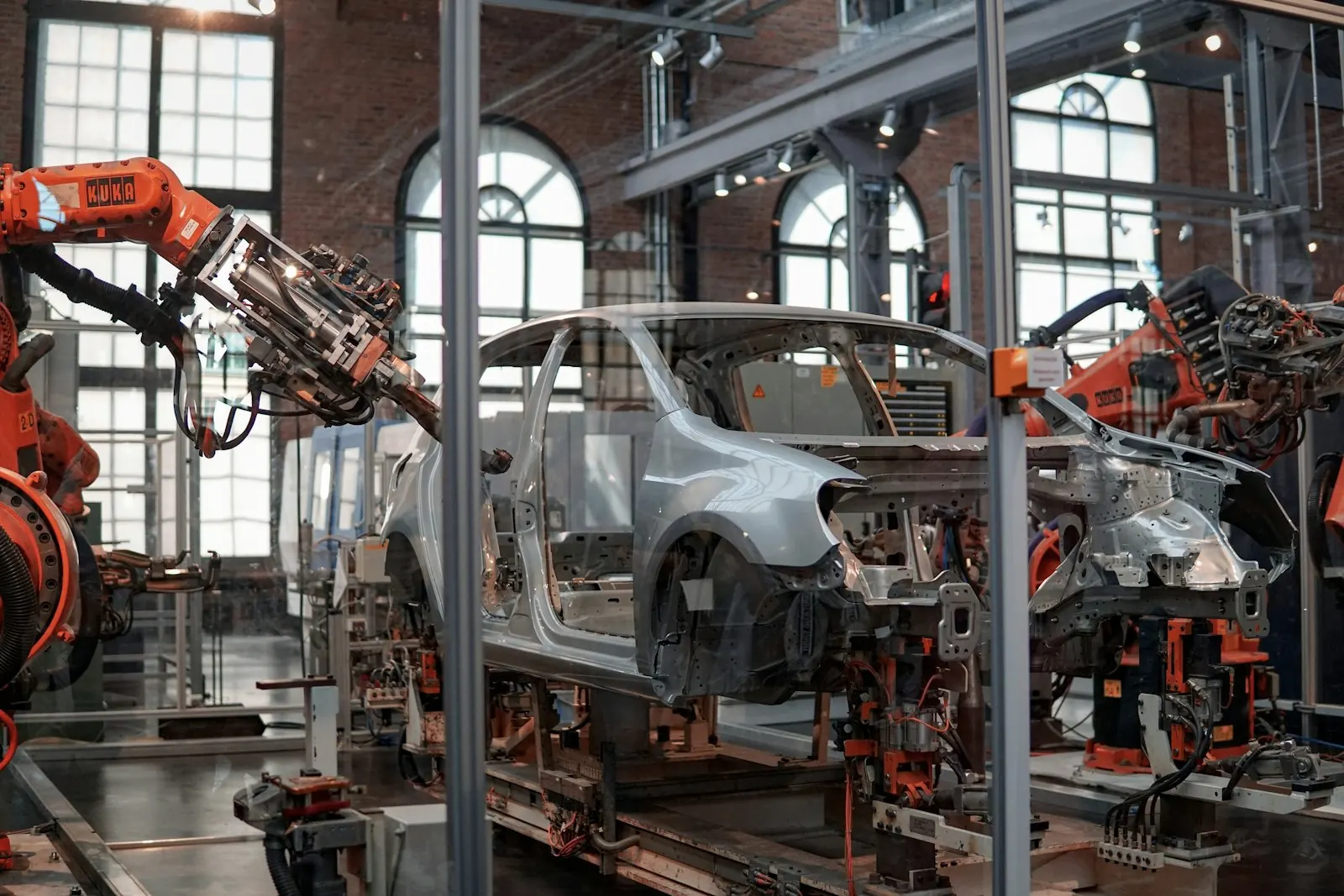 AutomotiveTakt time is the whole argument.
 Heavy MachineryLow volume. High consequence.
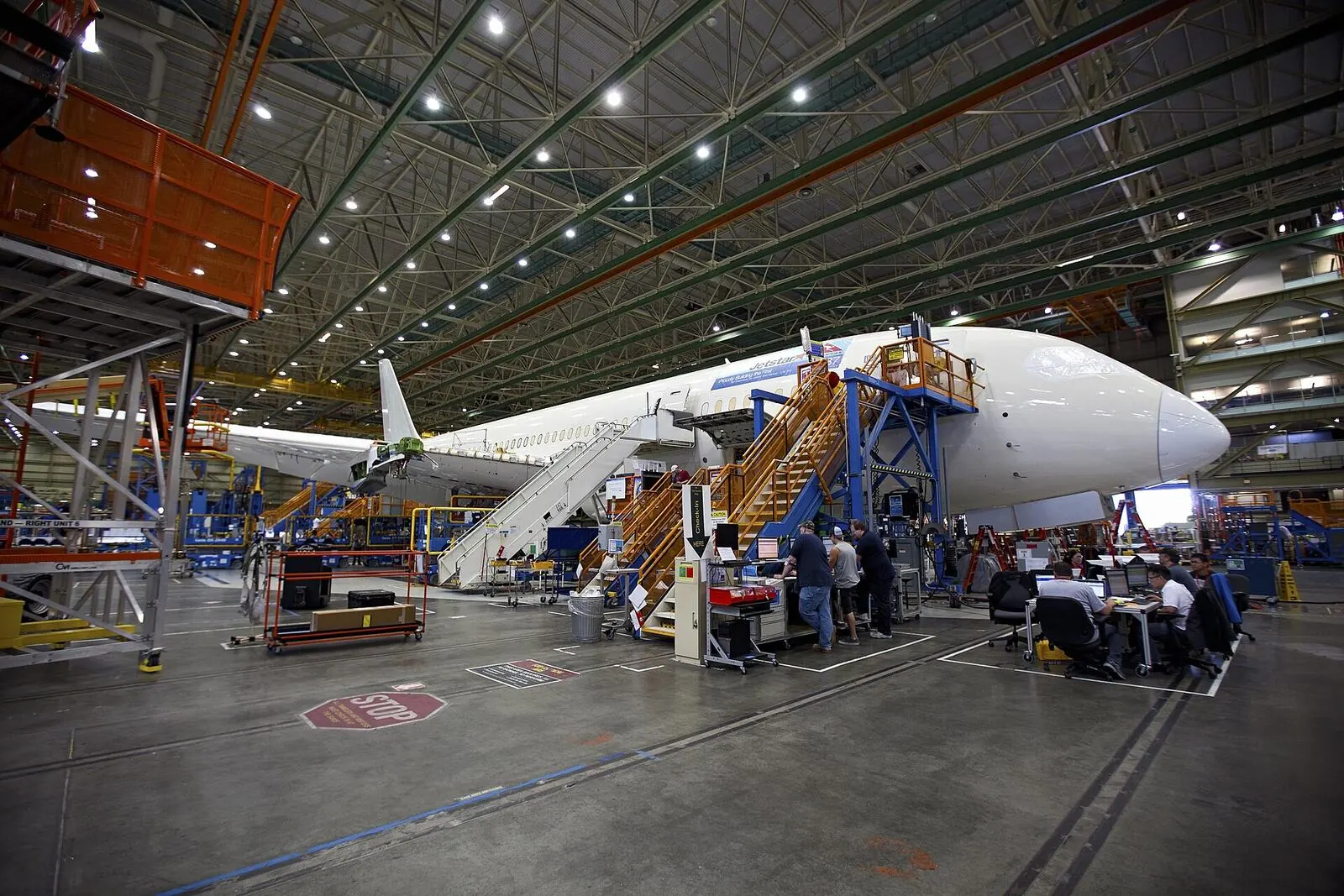 Aerospace & DefenseTraceability is not paperwork.
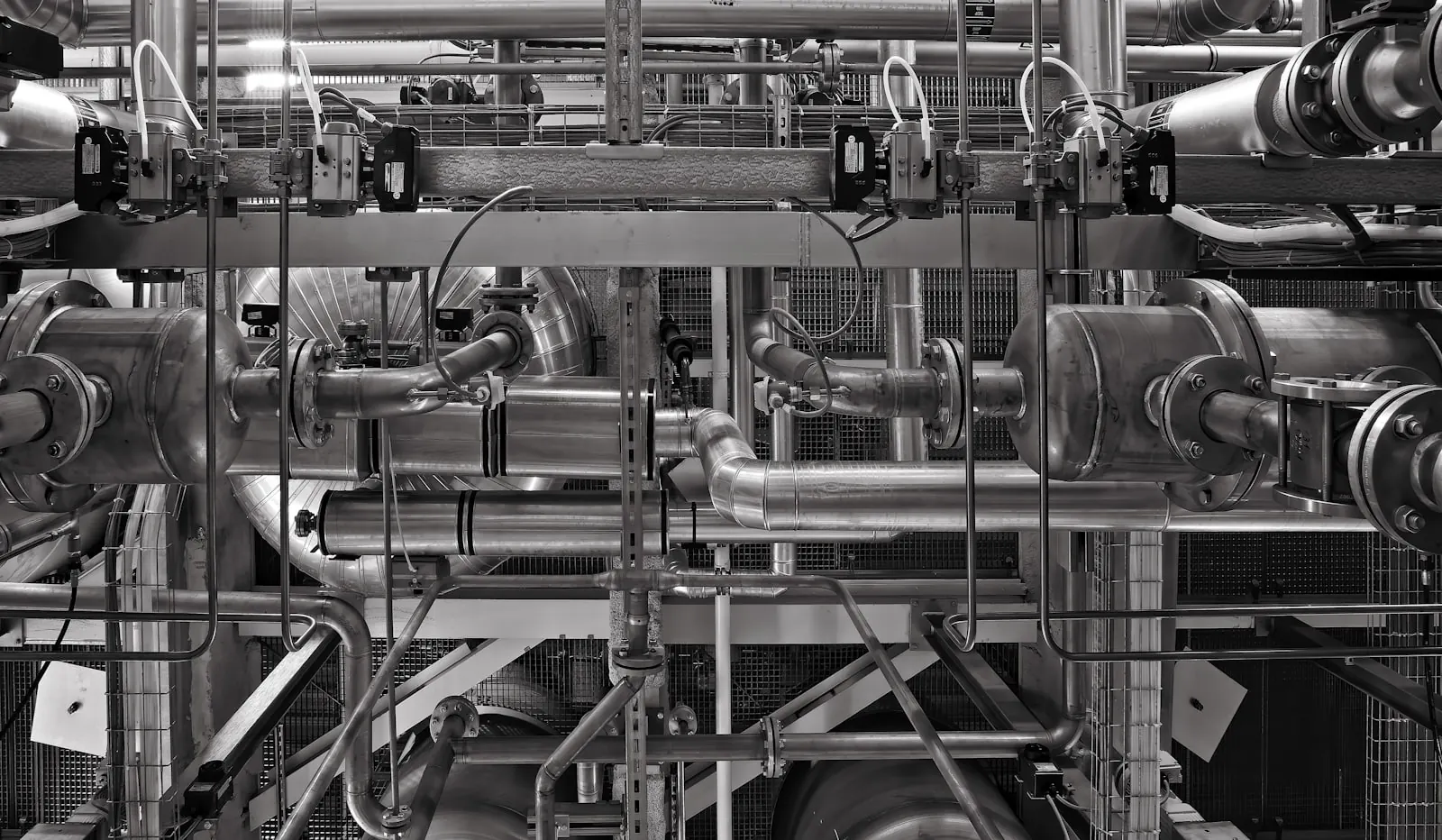 Chemical & ProcessThe plant runs continuously.
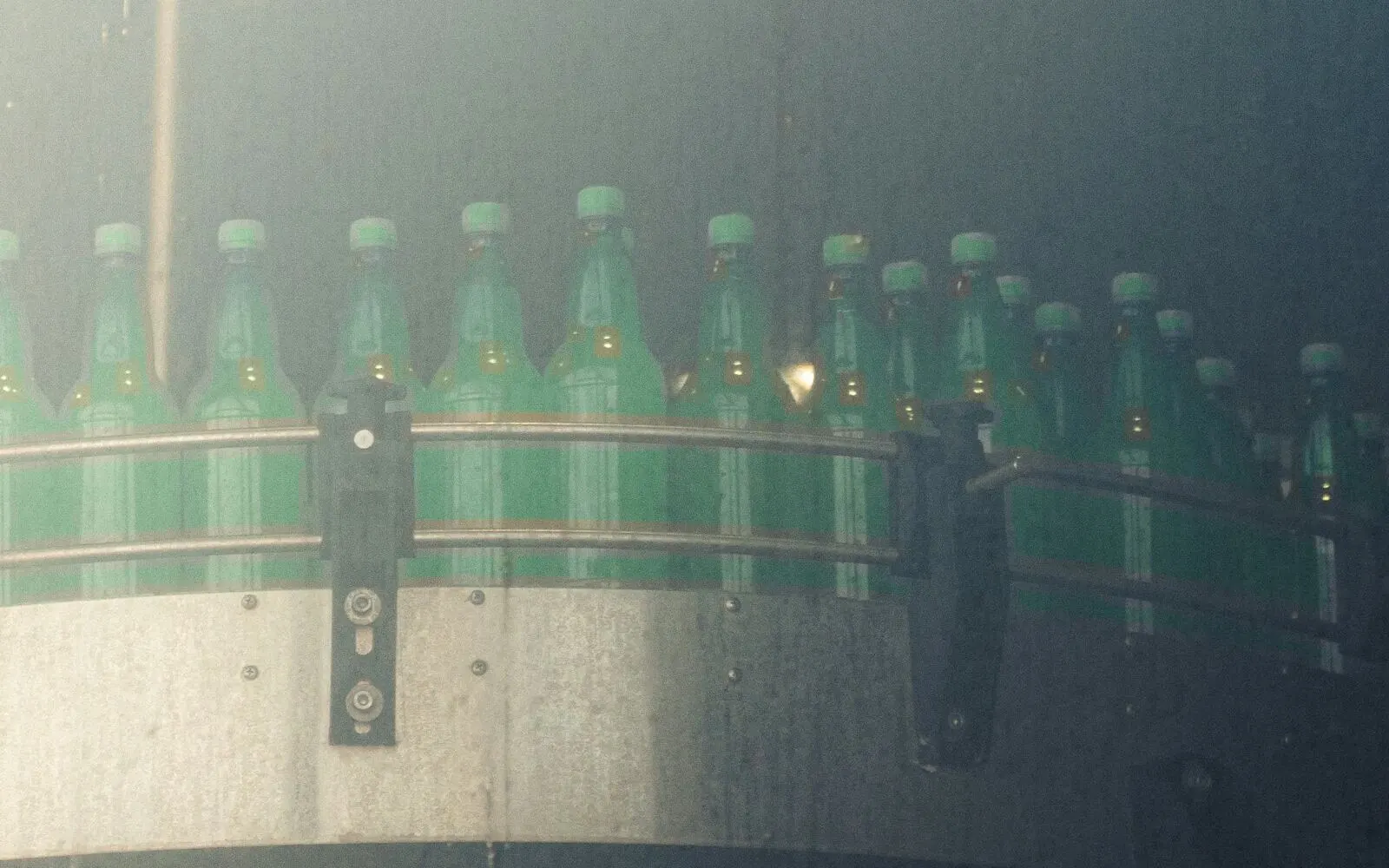 Food & BeverageChangeover, hygiene, and a shelf life.
Automotive
A line that stops costs more per minute than almost anything else in manufacturing. Applix works on changeover, on the quality loop that follows it, and on the maintenance that decides whether either happens on plan.
ALSOEnergySemiconductorMetalsElectronics
AutomotiveTakt time is the whole argument.A line that stops costs more per minute than almost anything else in manufacturing. Applix works on changeover, on the quality loop that follows it, and on the maintenance that decides whether either happens on plan.Heavy MachineryLow volume. High consequence.Large assemblies, long cycles, deep bills of material and configurations that are effectively one-off. The cost of a mistake is measured in weeks, so the work is to catch it before the weld.Aerospace & DefenseTraceability is not paperwork.Every operation has to be provable years after it happened, under an audit that assumes nothing. Applix treats the record as part of the process rather than as a thing written up afterwards.Chemical & ProcessThe plant runs continuously.Continuous process, narrow operating windows and a maintenance programme that cannot simply stop the line to look. The question is almost always whether a drift is real and what it is drifting towards.Food & BeverageChangeover, hygiene, and a shelf life.Short runs, frequent changeovers, cleaning cycles that consume the time the plan assumed was production, and a traceability requirement that reaches the individual pallet.ALSOEnergySemiconductorMetalsElectronics
What changes on the floor.
Uptime, throughput and changeover speed across the line. Scheduling that reads the line's actual state instead of yesterday's plan; changeover sequencing solved against real constraints; the queue in front of the constraint made visible before it forms.
Predictive maintenance, faster diagnostics, first-time fixes. Condition data joined to work history, so a recommendation arrives with the failure mode and the part; the technician gets the procedure and the last three fixes on that asset at the panel.
Yield, scrap, and the causes behind both. A defect at inspection resolved back to the station, the lot and the parameter that produced the defect, because the inspection record and the process record are the same record.
One deployment pattern, repeated across sites without rebuilds. The ontology and the agents are the same at every site; what differs is configuration. Site two is weeks, not another program.
Trusted by global leaders in manufacturing and heavy industry.
Join our A-Team to tackle your industry’s toughest challenges.